


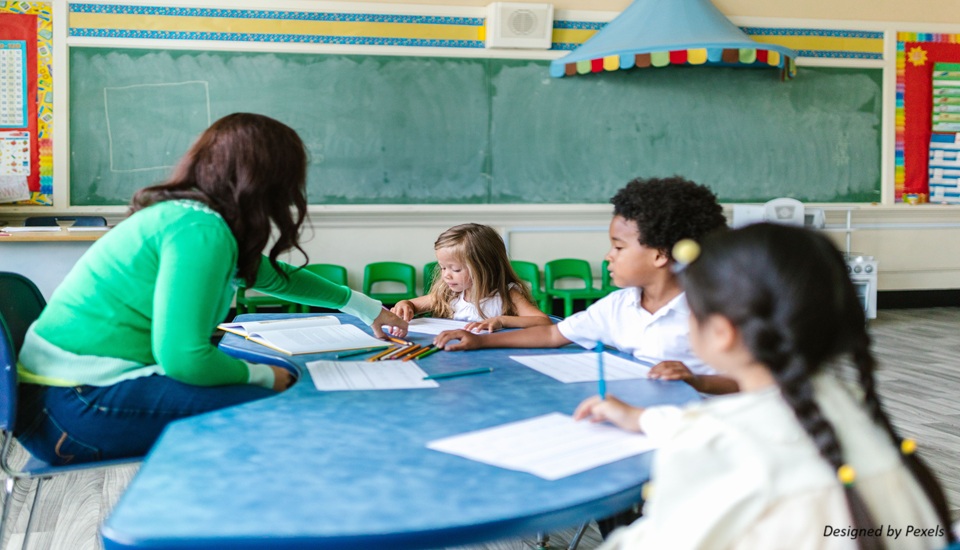
The Power of Curiosity in Pre-Primary and Primary Classrooms
Young children are naturally inquisitive, but classrooms can either nurture or stifle that curiosity. Learn how educators can intentionally create curiosity-rich environments. In this blog post, we dive into effective methods. ...
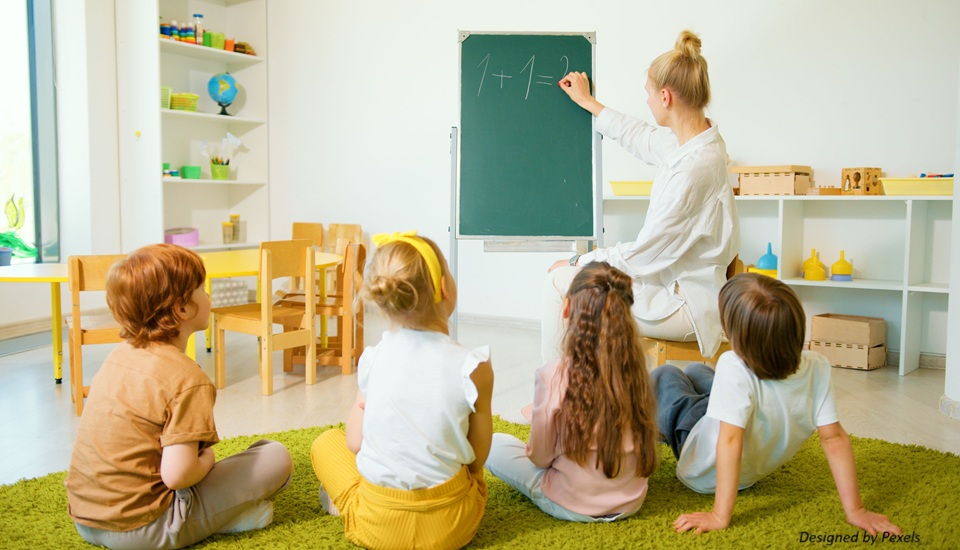
Effective Ways of Supporting Students Through Strength-Based Teaching Approaches
Classrooms today are filled with diverse learning needs, and general training no longer suffices. Educators with practical SEN strategies are highly sought after. In this blog post, we explore how teachers can gain these skills. ...
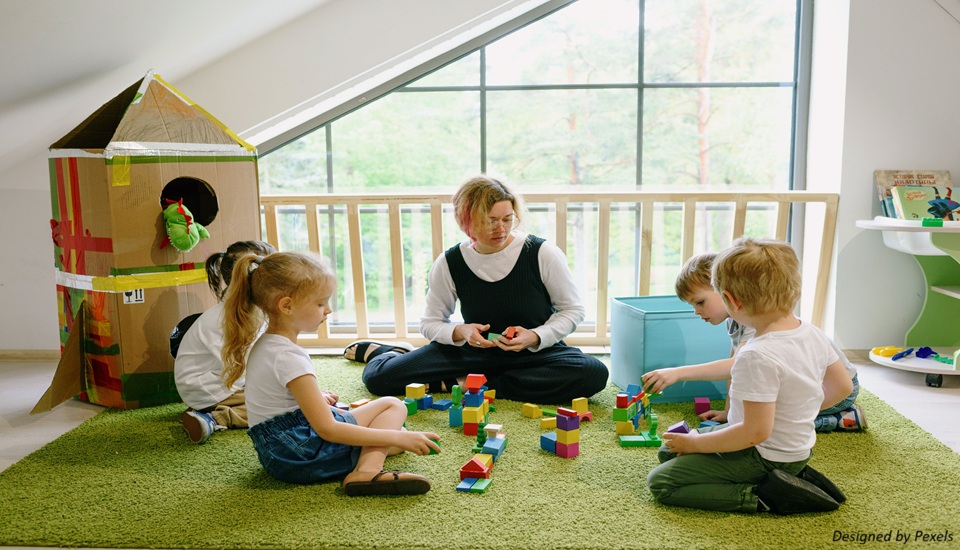
Play Is Not Just Play: The Learning Science Behind Childhood Experiences
Early childhood development thrives when play is intentional. From cognitive growth to social-emotional learning. This blog highlights how structured play-based approaches transform classrooms. ...
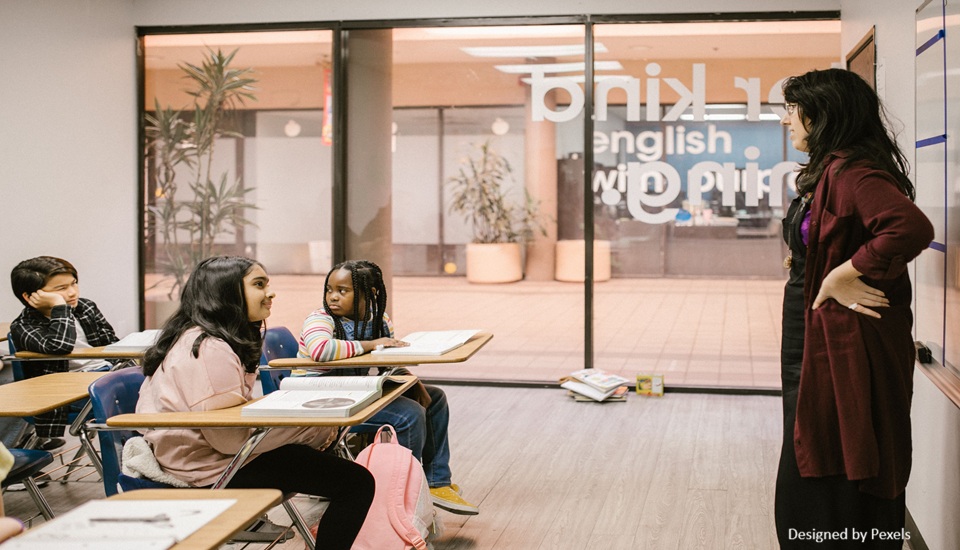
Why Modern Classrooms Need Educational Psychology More Than Ever?
Classrooms today are filled with students who think, feel, and learn differently. Traditional teaching methods are struggling to keep up with this shift. In this blog post, we look at how educational psychology offers a way forward. ...
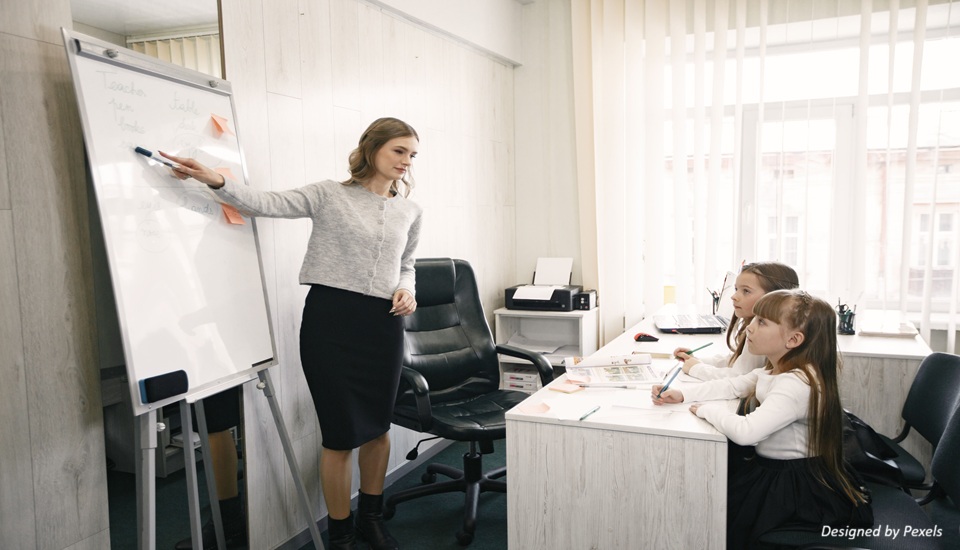
A 7-Year-Old and a 15-Year-Old Don't Learn the Same Way - Do Teachers Know Why?
Children develop at very different stages between primary and secondary school. Understanding those differences is critical to effective teaching. This blog explains how an online B.Ed. primary and secondary education course prepares educators for every learner. ...
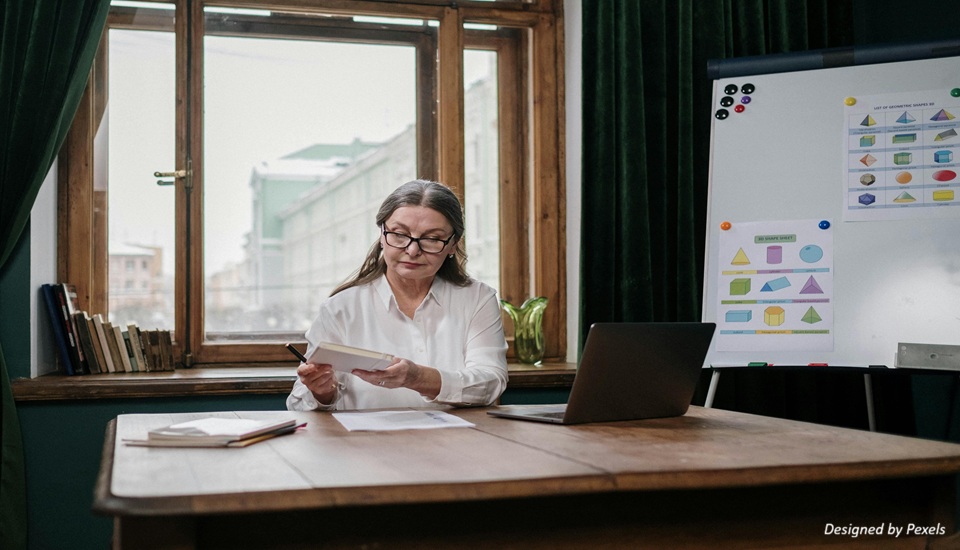
Balancing Work, Life, and Academic Growth: The New Reality for Modern Educators
For many educators, professional growth feels important but difficult to fit into daily life. Online postgraduate teaching programs are changing that reality. This blog explains how teachers can balance career, life, and academic growth with greater confidence. ...